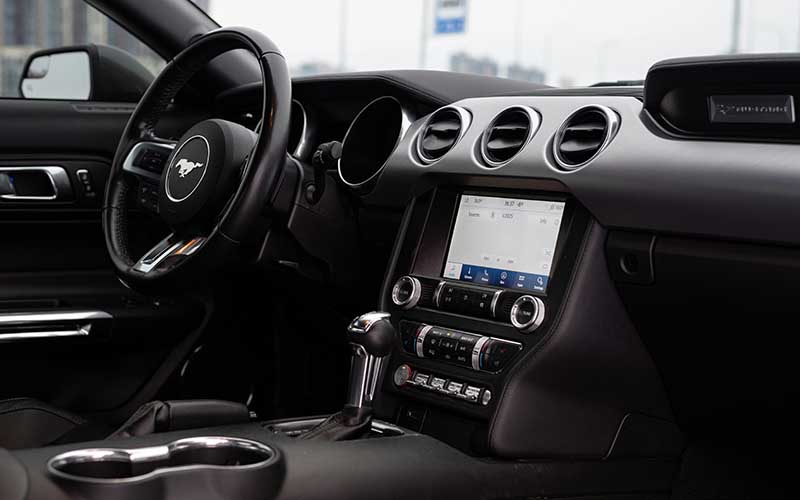
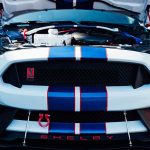
The Ford Mustang has long been one of the world’s most recognizable sports cars, offering a blend of performance, style, and everyday usability. One of the biggest decisions buyers face is choosing between a manual and an automatic transmission. While both options deliver the unmistakable Mustang experience, they appeal to different types of drivers. Understanding the strengths and weaknesses of each can help you make the right choice.
The Appeal of a Manual Mustang
For many enthusiasts, a manual transmission is the traditional way to experience a Mustang. Shifting gears yourself creates a stronger connection between the driver and the car, making every acceleration, corner, and downshift feel more engaging.
A manual Mustang offers greater driver involvement because you’re responsible for selecting the appropriate gear and managing the clutch. This level of control can make spirited driving on winding roads especially rewarding. Many owners also appreciate the sense of accomplishment that comes from mastering smooth gear changes and heel-and-toe downshifts.
Another advantage is the classic driving experience. Muscle cars and manual transmissions have a long history together, and many collectors and enthusiasts prefer a manual simply because it feels authentic. Depending on the model year and market, manual-equipped Mustangs may also retain stronger appeal among performance-focused buyers.
However, manual transmissions aren’t perfect for everyone. Heavy traffic can become tiring due to constant clutch operation, and learning to drive a manual takes practice. Some drivers also find manual shifting less convenient for daily commuting.
Why Many Buyers Choose Automatic
Modern automatic transmissions have come a long way. Today’s Mustang automatics, particularly the advanced 10-speed automatic found in recent models, deliver incredibly fast gear changes that often outperform human drivers.
An automatic Mustang is easier to drive in everyday situations. Stop-and-go traffic becomes much less stressful, and long highway journeys require minimal effort. For drivers who primarily use their Mustang as a daily vehicle, convenience is often the deciding factor.
Performance is another area where automatic transmissions shine. Thanks to lightning-fast shifts and optimized gear ratios, many automatic Mustangs actually achieve quicker acceleration times than their manual counterparts. The transmission continuously selects the ideal gear for maximum performance while maintaining fuel efficiency during normal driving.
Modern automatics also include selectable drive modes and manual shift controls through paddle shifters, allowing drivers to enjoy a more engaging experience without operating a clutch.
The downside is that some enthusiasts feel an automatic lacks the emotional connection and sense of involvement that a manual provides. Even with paddle shifters, the driving experience can feel more computerized.
Performance Comparison
When comparing raw performance, modern automatic Mustangs generally have the advantage. The rapid gear changes reduce acceleration interruptions, resulting in faster 0-60 mph times and improved quarter-mile performance.
Manual transmissions, however, still offer benefits for experienced drivers. Being able to choose exactly when to shift can be advantageous during spirited driving or on a race track, especially for those who enjoy refining their driving technique.
Ultimately, the difference in real-world performance is often small, and driver skill plays a significant role.
Daily Driving and Comfort
If your Mustang will serve as a daily commuter, an automatic transmission is usually the more practical option. It reduces driver fatigue, especially in congested urban traffic, and allows you to focus more on the road than gear changes.
A manual can still work well for daily driving, but it requires more effort. Some drivers enjoy that additional interaction every day, while others eventually find it less convenient.
Long-distance travel also tends to favor the automatic, which provides smoother operation and often better optimization for highway cruising.
Maintenance and Reliability
Both manual and automatic transmissions can be reliable when properly maintained. Manual gearboxes are mechanically simpler and generally have fewer complex components, although clutch replacement is a normal maintenance expense over time.
Automatic transmissions require regular fluid changes according to the manufacturer’s recommendations. While modern automatics are highly durable, repairs can be more expensive if major internal components fail.
Proper maintenance matters far more than the choice of transmission itself.
Resale Value
Resale value depends largely on the specific Mustang model and the target market. Enthusiast-focused models often generate strong demand for manual transmissions, while the broader used-car market generally favors automatics because they’re easier for most buyers to drive.
In recent years, manual transmissions have become increasingly rare, which may enhance their desirability among collectors and driving enthusiasts.
Which Should You Choose?
The best transmission depends on how you plan to enjoy your Mustang.
Choose a manual if you:
Enjoy maximum driver involvement.
Love traditional muscle car driving.
Frequently drive on scenic or twisty roads.
Want the most engaging experience.
Choose an automatic if you:
Drive in heavy traffic regularly.
Want the quickest acceleration.
Prefer convenience and ease of use.
Plan to use the Mustang as a daily driver.
There is no universally better transmission for the Ford Mustang. A manual delivers a classic, immersive driving experience that many enthusiasts consider irreplaceable. An automatic, on the other hand, offers exceptional performance, comfort, and convenience thanks to modern transmission technology.
Whether you value the satisfaction of shifting gears yourself or the effortless speed of an advanced automatic, both options preserve what makes the Mustang special: powerful performance, unmistakable styling, and an exciting driving experience. The right choice comes down to your personal driving preferences, lifestyle, and the type of connection you want to have with your car.