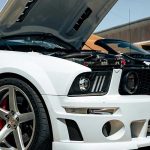
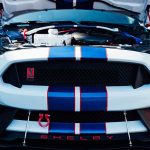
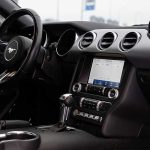
The sixth-generation Ford Mustang, commonly known by its chassis code S550, was introduced for the 2015 model year and remained in production through 2023. With its independent rear suspension, modern electronics, powerful engines, and wide range of trims, the S550 brought the Mustang firmly into the modern performance-car era.
Despite being generally reliable when properly maintained, no car is perfect. As these Mustangs accumulate mileage and age, certain components tend to cause more problems than others. Some issues are relatively minor, while others can become expensive if ignored.
Here are five of the most common things that can break or develop problems on a sixth-generation Mustang.
1. MT82 Manual Transmission
The Getrag MT82 six-speed manual transmission has developed a reputation as one of the more problematic components in certain S550 Mustangs, particularly GT models.
Owners have reported issues including difficult shifting, grinding, gear lockout, clutch engagement problems, and noises from the transmission. Some cars experience these problems more severely than others, and driving style, modifications, maintenance, and mileage can all play a role.
The transmission can be particularly unhappy with aggressive shifting or repeated hard launches. On higher-mileage cars, worn synchronizers, bearings, clutch components, or other internal parts can contribute to shifting problems.
If you’re buying a used manual S550, pay close attention during a test drive. Try every gear when the transmission is cold and again after it reaches operating temperature. Grinding, excessive vibration, difficulty selecting gears, or a clutch that feels inconsistent are reasons to investigate further.
2. Rear Differential and Driveshaft Components
The Mustang’s independent rear suspension was a major change from previous generations, but the rear end can still develop problems.
Some S550 owners experience differential whine, clunks, vibrations, or leaks. A small amount of drivetrain noise isn’t necessarily catastrophic, but unusual noises that increase with acceleration or changes in throttle position should not be ignored.
The driveshaft and related components can also develop vibrations, particularly on cars that have been modified or subjected to hard launches. Cars with aftermarket suspension, wheels, tires, or power upgrades can place additional stress on drivetrain components.
A common symptom of a drivetrain issue is a clunk when transitioning between acceleration and deceleration. However, suspension bushings and other components can produce similar noises, so proper diagnosis is important before replacing expensive parts.
3. Oil Leaks and Cooling-System Components
As S550 Mustangs get older, oil leaks become increasingly common. The exact source depends on the engine, but valve-cover areas, oil pans, front engine components, and seals can all develop leaks over time.
A small oil seep isn’t necessarily an immediate emergency, but it should still be investigated. Oil that reaches hot exhaust components can produce smoke or unpleasant smells, while a significant leak can eventually lead to low oil levels and engine damage.
Cooling-system components are another area worth watching. Radiators, hoses, thermostats, expansion tanks, and water pumps can eventually fail as the car ages.
The symptoms of a cooling-system problem can include rising coolant temperatures, coolant loss, visible leaks, or a sweet coolant smell after driving. Regularly checking fluid levels and inspecting the engine bay can help catch problems before they become major repairs.
4. Suspension Bushings and Wheel Bearings
The S550 is a relatively heavy performance car, and its suspension components take a considerable amount of punishment—especially on cars that see enthusiastic driving.
Control-arm bushings, sway-bar links, ball joints, and other suspension components can eventually wear out. Once they do, you may notice clunking noises, uneven tire wear, steering that feels less precise, or excessive movement over bumps.
Wheel bearings can also fail with age and mileage. A failing bearing may produce a humming or growling noise that increases with vehicle speed. Sometimes the noise changes when the car is gently loaded from one side to the other while cornering.
Modified Mustangs can experience accelerated suspension wear. Lowering springs, coilovers, wider wheels, and sticky performance tires can all change the loads placed on the suspension.
5. Electronics, Sensors, and Interior Components
Modern Mustangs contain significantly more electronics than older generations, and that means there are more components that can eventually develop faults.
The SYNC infotainment system, digital displays, switches, sensors, parking sensors, cameras, and various electronic modules can occasionally experience glitches or failures. Some problems are software-related and can be resolved with updates or a reset, while others require component replacement.
Interior components can also show their age. Window regulators, switches, door hardware, seat mechanisms, and other small electrical components can become unreliable as the car accumulates years and mileage.
These problems are usually less serious than an engine or transmission failure, but they can still be frustrating to diagnose because an electrical fault may involve wiring, a sensor, a control module, or the component itself.
The sixth-generation Mustang is not inherently unreliable. In fact, many S550s have accumulated substantial mileage with relatively few major problems. However, buying one used requires looking beyond the engine and checking the entire car.
The MT82 transmission, differential and drivetrain, oil and cooling systems, suspension components, and electronics are all worth inspecting carefully on an older S550.
Maintenance history is often more important than mileage alone. A high-mileage Mustang that has been serviced properly can be a better purchase than a low-mileage example that has been modified, abused, or poorly maintained.
If you’re considering buying a sixth-generation Mustang, a thorough pre-purchase inspection is money well spent. Catching a worn bushing, leaking seal, or drivetrain problem before buying the car can save you from a much larger repair bill later.