Selling a high-performance car requires a different approach than selling an everyday vehicle. Sports cars, supercars, luxury performance sedans, and track-focused models attract a niche audience that values engineering, maintenance history, originality, and condition far more than the average buyer. Whether you’re selling a modern performance machine or a sought-after classic, careful preparation and a strategic sales process can help you secure the best possible price while making the transaction smoother and more secure.
Prepare the Car Thoroughly
First impressions matter, especially when dealing with enthusiasts. Before advertising your vehicle, invest time in cleaning it inside and out. A professional detail can significantly improve the appearance of the paintwork, wheels, engine bay, and interior, making the car more appealing in photographs and in person.
Address minor cosmetic issues where it makes financial sense. Small paint chips, worn trim, or damaged floor mats can create the impression that the car has not been well cared for. While major repairs may not always provide a full return on investment, fixing inexpensive issues can increase buyer confidence.
Gather Documentation
Buyers of high-performance vehicles typically expect comprehensive documentation. Organise all service records, maintenance invoices, MOT or inspection certificates where applicable, ownership history, manuals, spare keys, and any warranty paperwork.
If the car has received performance upgrades, include receipts and information about the parts used. Documentation showing that modifications were installed professionally is generally viewed much more favourably than undocumented changes.
A complete history demonstrates responsible ownership and can justify a higher asking price.
Determine a Realistic Price
Pricing a performance car accurately is essential. Research recent sales of similar vehicles with comparable mileage, specification, condition, and service history. Limited editions, rare colour combinations, factory options, and low production numbers may command premium prices.
Avoid setting the price based solely on emotional attachment or the amount invested in modifications. While certain upgrades may add value, many buyers prefer vehicles that remain close to factory specification.
Leaving a small margin for negotiation is common, but pricing the vehicle significantly above market value can discourage serious enquiries.
Create High-Quality Photographs
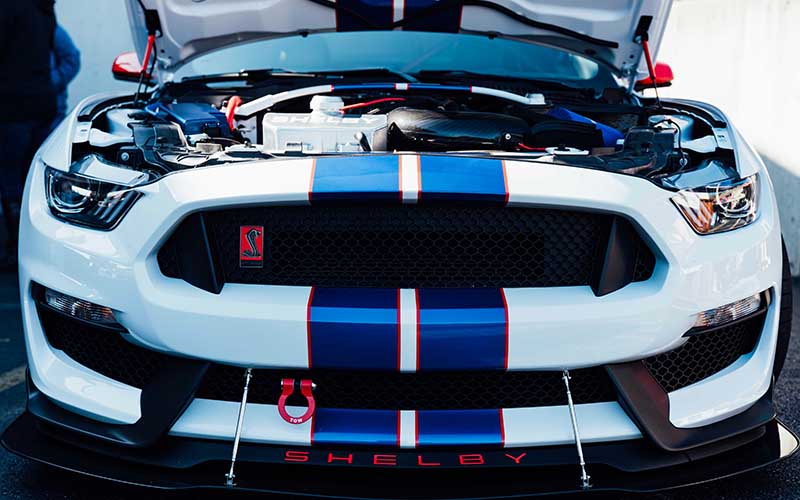
Professional-looking photographs can dramatically increase buyer interest. Take pictures in good natural light with a clean, uncluttered background.
Include images of:
Front, rear, and side profiles
Interior and dashboard
Seats and upholstery
Wheels and tyres
Engine bay
Boot or cargo area
Service records (without revealing sensitive information)
Any notable optional equipment
Minor imperfections for transparency
Honest photography builds trust and reduces the likelihood of disputes during viewings.
Write an Accurate Description
A detailed description should highlight the vehicle’s strengths while remaining honest about its condition.
Include information such as:
Year of manufacture
Engine and transmission
Mileage
Ownership history
Full service history
Recent maintenance
Factory options
Performance upgrades, if any
Accident history, if applicable
Remaining warranty coverage
Reason for selling
Avoid exaggerated marketing language. Enthusiast buyers generally appreciate factual, detailed descriptions over vague claims.
Respond Professionally to Enquiries
High-value vehicles often attract both genuine enthusiasts and casual browsers. Respond promptly to serious enquiries and be prepared to answer technical questions regarding maintenance, servicing, tyres, brakes, suspension, software updates, and previous repairs.
Providing additional photographs, videos, or documentation when requested can reassure potential buyers and demonstrate transparency.
Arrange Safe Viewings
When meeting prospective buyers, choose a secure, public location whenever possible. Ensure the vehicle is clean and ready for inspection.
During viewings, allow buyers sufficient time to inspect the car thoroughly. Many performance car buyers are knowledgeable and will examine paint condition, panel gaps, tyres, brake wear, and service documentation carefully.
For test drives, verify that the prospective buyer holds a valid driving licence and has appropriate insurance if required. Accompany them throughout the drive and agree on a suitable route beforehand.
Negotiate Confidently
Negotiation is a normal part of selling a high-performance vehicle. Knowing your minimum acceptable price before discussions begin helps you avoid making rushed decisions.
Be prepared to justify your asking price with evidence such as maintenance history, condition, desirable factory options, or recent servicing. If a buyer requests a discount, consider whether it reflects genuine concerns or is simply part of the negotiation process.
Remaining polite and professional often leads to a better outcome than adopting an overly aggressive sales approach.
Complete the Sale Securely
Once a price has been agreed, use a secure payment method and confirm that funds have cleared before releasing both the vehicle and its keys. Avoid accepting unusual payment arrangements or rushing the transaction.
Complete all ownership transfer paperwork correctly and provide the buyer with the agreed documentation, manuals, spare keys, and maintenance records.
Keeping copies of sales documents and written confirmation of the transaction can help protect both parties.
Selling a high-performance car is about more than simply finding a buyer. Presentation, honesty, accurate pricing, and comprehensive documentation all contribute to achieving a successful sale. Enthusiast buyers appreciate transparency and well-maintained vehicles, and taking the time to prepare your car properly can increase confidence, attract more serious enquiries, and maximise its value. By approaching the process professionally from start to finish, you can create a positive experience for both yourself and the eventual new owner.