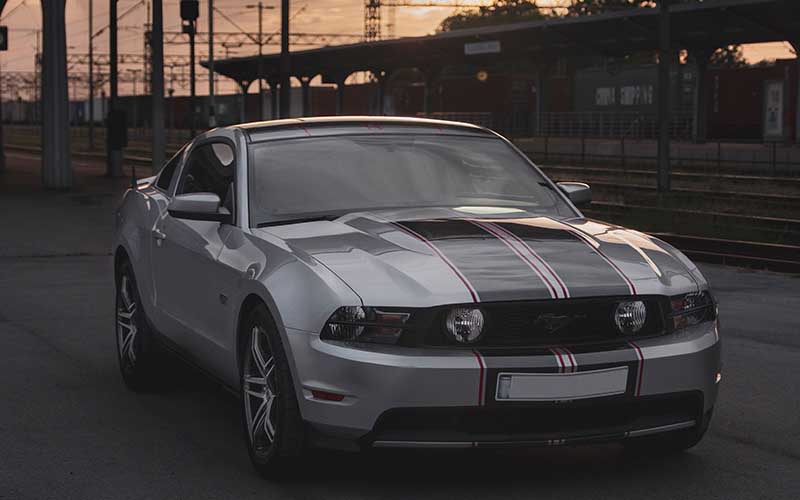
The fifth-generation Ford Mustang, produced from 2005 to 2014, remains one of the most popular American muscle cars thanks to its aggressive styling, powerful engines, and relatively affordable maintenance. Available with V6 and V8 engines, the S197 Mustang offers something for almost every enthusiast, whether you’re looking for a weekend cruiser, a project car, or a performance machine.
However, like any aging vehicle, the fifth-generation Mustang has several common problems that owners should know about. Some are relatively inexpensive to fix, while others can lead to costly repairs if ignored. Driving style, maintenance history, mileage, and modifications all play a significant role in reliability.
Here are five of the most common components and systems that can cause trouble on a fifth-generation Ford Mustang.
1. Spark Plugs and Ignition Components
Ignition problems are worth investigating on both V6 and V8 Mustangs, particularly as mileage increases. Spark plugs, ignition coils, and related components can wear out over time, leading to rough idling, hesitation, misfires, and reduced engine performance.
The 4.6-liter three-valve V8 used in 2005–2010 GT models is particularly well known for spark-plug service complications. Earlier versions can develop problems with spark plugs breaking during removal, while some later replacement designs can also be difficult to extract if they become seized in the cylinder head.
The 5.0-liter Coyote V8 introduced for the 2011 model year uses a different engine design, but it is not immune to ordinary ignition-system wear. V6 models can also experience misfires caused by worn plugs or failing coils.
If the engine begins to shake at idle, struggles to accelerate, or displays a check-engine light, ignition components should be among the first things inspected. Diagnostic trouble codes can help identify which cylinder is misfiring.
What to watch for: Rough idle, engine hesitation, reduced fuel economy, flashing check-engine light, or difficulty starting.
Regular maintenance and using the correct spark plugs for the specific engine can help prevent unnecessary problems. On older three-valve V8 engines, spark-plug removal should be handled carefully using the correct procedure to reduce the risk of breakage.
2. Manual Transmission and Clutch Problems
The Mustang’s manual transmission is a major part of its appeal, but clutch and gearbox issues can develop with age and hard use. This is especially relevant for cars that have experienced aggressive launches, frequent track sessions, or modifications that increase engine torque.
A worn clutch may begin slipping under acceleration, causing engine speed to rise without a corresponding increase in vehicle speed. Other warning signs include a high clutch engagement point, a burning smell after hard driving, or difficulty engaging gears.
Transmission-related symptoms can also include grinding when shifting, unusual noises, or difficulty selecting first or reverse. These symptoms do not always mean the gearbox itself is failing; worn synchronizers, clutch hydraulic problems, or a clutch that is not fully disengaging may be responsible.
The exact risks depend on the transmission fitted to the car. Earlier S197 models and later versions use different manual transmission configurations, so problems and repair costs can vary.
What to watch for: Clutch slip, grinding gears, a stiff or inconsistent clutch pedal, unusual transmission noises, or difficult shifts.
When inspecting a used Mustang, test the clutch under normal driving conditions and check whether every gear engages smoothly. Avoid cars that have obvious signs of repeated hard launches or poorly executed performance modifications unless the asking price accounts for the necessary repairs.
3. Rear Differential and Driveshaft Issues
The rear differential and driveshaft transmit engine power to the rear wheels, making them essential components in any Mustang. Although they are designed to handle spirited driving, repeated hard launches, wheel hop, and increased engine output can accelerate wear.
Differential problems may produce a whining or humming noise that changes with vehicle speed or throttle position. Worn bearings, damaged gears, insufficient lubrication, or excessive backlash can all contribute to unusual noises.
Driveshaft-related issues can cause vibration during acceleration or at certain road speeds. Worn universal joints, damaged components, or problems introduced during modifications may be responsible, depending on the particular model and driveshaft design.
Cars equipped with aftermarket superchargers, larger tires, or performance suspension parts deserve particular attention because additional torque and wheel hop can place greater stress on the drivetrain.
What to watch for: Rear-end whining, clunking when shifting between acceleration and deceleration, vibration under load, or excessive drivetrain play.
A thorough inspection should include checking the differential for leaks, listening for abnormal noises during a road test, and examining the driveshaft and related hardware. Fresh differential fluid can help maintain the system, but it will not repair worn gears or damaged bearings.
4. Suspension Components and Wheel Bearings
The S197 Mustang’s suspension delivers the handling and road feel that make the car enjoyable to drive, but worn suspension components are increasingly common as these vehicles age. Many examples are now well over a decade old, and rubber bushings, ball joints, dampers, and wheel bearings may be approaching the end of their service life.
Common trouble spots include worn control-arm bushings, deteriorated shock absorbers or struts, aging tie-rod ends, and failing wheel bearings. These parts are especially vulnerable on cars that have spent years on rough roads or have been fitted with lowering springs and oversized wheels.
A worn suspension component can make the Mustang feel less stable through corners, while loose steering components may cause vague steering response or uneven tire wear. A failing wheel bearing may produce a humming or growling noise that becomes louder as road speed increases.
Modified Mustangs require particular attention. Lowering a car without considering alignment, suspension geometry, and component condition can accelerate tire wear and affect handling. Similarly, excessively stiff suspension setups can place additional stress on other components.
What to watch for: Clunking over bumps, uneven tire wear, steering play, excessive body movement, or humming noises from the wheels.
A suspension inspection should include checking bushings, ball joints, tie rods, dampers, and wheel bearings. A four-wheel alignment after replacing worn parts can restore predictable handling and help extend tire life.
5. Cooling System Leaks and Overheating
Cooling-system problems are another concern when buying or maintaining an older Mustang. Hoses, seals, thermostats, radiators, water pumps, and other components can deteriorate with age, eventually causing coolant leaks or overheating.
The specific weak points vary by engine and model year. For example, the 2011–2014 Mustang GT’s 5.0-liter Coyote V8 has different cooling-system components from the earlier 4.6-liter V8 and V6 engines. Therefore, it is important to identify the engine before diagnosing a suspected problem.
A small coolant leak may initially appear harmless, but ignoring it can result in low coolant levels and excessive engine temperatures. Overheating can cause much more serious damage, potentially including warped cylinder heads or internal engine problems.
Pay attention to the temperature gauge and inspect the engine bay for dried coolant residue, wet connections, or a sweet smell after driving. Coolant puddles beneath the vehicle should never be ignored.
What to watch for: Rising engine temperatures, coolant loss, visible leaks, a sweet smell from the engine bay, or repeated overheating warnings.
Preventive maintenance is the best defense. Replace aging hoses when necessary, use the specified coolant, inspect the cooling system regularly, and investigate unexplained coolant loss immediately. If the engine overheats, stop safely and switch it off rather than continuing to drive.
The fifth-generation Ford Mustang is generally a rewarding car to own, but its age means that condition and maintenance history matter more than the badge on the trunk. Ignition components, clutch and transmission systems, the rear drivetrain, suspension parts, and cooling-system components all deserve attention when buying or maintaining an S197.
It is also important to remember that not every Mustang will develop these problems. A well-maintained, mostly stock example may prove far more dependable than a heavily modified car that has been driven hard and neglected.
Before purchasing one, arrange a thorough pre-purchase inspection, review available service records, scan for diagnostic trouble codes, and take the car on a proper test drive. Pay particular attention to unusual noises, fluid leaks, shifting behavior, and signs of previous accident damage.
The best fifth-generation Mustang is not necessarily the one with the lowest mileage or the most modifications. It is the one that has been maintained correctly, has a documented history, and shows no signs of serious mechanical neglect. With sensible maintenance and early attention to developing faults, an S197 Mustang can deliver years of enjoyable driving without turning every weekend into a repair project.